

Tax Deductibility of 100% Electric Cars in Belgium: Corporate Tax, BIK, Home Charging, and Stations
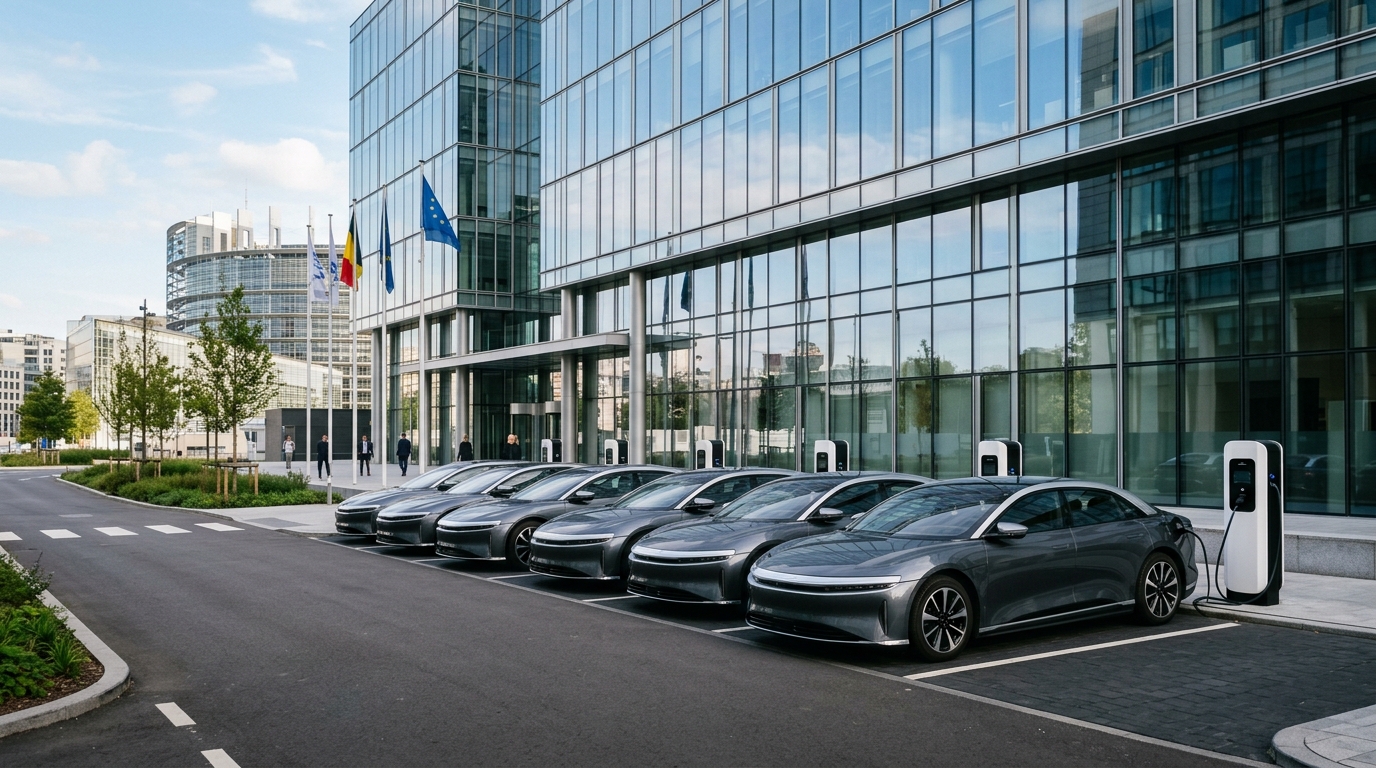
In the Belgian business landscape, zero-emission battery electric vehicles (BEVs) have become the premier choice for corporate fleets and self-employed professionals. Enacted by the Federal Reform Law of November 25, 2021 (the Van Peteghem Law), electric vehicles enjoy an advantageous fiscal framework: 100% corporate tax deductibility, minimum statutory Benefit-in-Kind (BIK) calculations, and valuable incentives for charging infrastructure.
1. Corporate Tax Deductibility Timeline (2025 - 2031)
While internal combustion and hybrid vehicle deductibility phases down to 0% by 2028, pure electric vehicles maintain preferential rates:
- Ordered before December 31, 2026: 100% lifetime deduction across purchase, lease rentals, maintenance, and electricity.
- Ordered in 2027: 95% deduction.
- Ordered in 2028: 90% deduction.
- Ordered in 2029: 82.5% deduction.
- Ordered in 2030: 75% deduction.
- Ordered from 2031 onwards: 67.5% permanent baseline deduction.
2. Driver Benefit-in-Kind (BIK / ATN) Advantage
For an employee or director with private vehicle usage, the statutory BIK rate is capped at the minimum 4% floor:
For a €60,000 electric executive vehicle, the monthly taxable BIK is approximately €171/month, compared to over €535/month for a comparable diesel car.
3. Home Charging Electricity Reimbursement
Employers can reimburse home charging electricity on a tax-exempt basis without triggering supplemental BIK liabilities, provided the home charger includes a MID-certified submeter communicating actual kilowatt-hours recharged at official CREG reference electricity rates.
Estimate your taxes for this vehicle
Use our free calculator to estimate registration tax (BIV/TMC), annual road tax, and corporate BIK.